

Image: Freepik
The use of stem cells in wound healing is not novel, as skin stem cells have been studied for decades for their regenerative abilities. However, over the last few years, therapies reliant on stem cells and their by-products have been rapidly integrated and made mainstream for skin rejuvenation. Products like Platelet Rich Plasma (PRP) have been fully commercialized and are available on the shelves for dermatological procedures, some of which include walk-in appointments.
In view of their unique properties, skin stem cells have been employed in the treatment of several dermatoses (any disease of the skin, nails and hair not accompanied by inflammation), including systemic sclerosis, systemic lupus erythematosus (SLE), scleromyxedema, alopecia, Merkel cell carcinoma, pemphigus vulgaris, psoriasis, wound healing, epidermolysis bullosa and even aesthetic medicine, with variable success.
But besides curative treatment or management of complex conditions, dermatologists utilize them to revitalize and improve skin texture, elasticity and appearance, to stimulate collagen production and reduce fine lines and wrinkles. These functions, highly sought after by a great majority of people, have turned the tide in dermatology and aesthetic medicine. Before we proceed, let’s first explore the application of stem cells across a variety of non-aesthetic dermatological cases.
Hair follicle and sebaceous gland regeneration
In this study, researchers showed that two types of skin cells, namely epidermal stem cells (Epi-SCs) and skin-derived precursors (SKPs), can reconstitute functional hair follicles and oil glands. When these cells were mixed in a gel and placed into skin wounds on mice, the Epi-SCs formed new skin and hair, while the SKPs helped build the hair’s root structure. Remarkably, even human scalp-derived Epi-SCs and SKPs were able to grow new hair.
Medical hair loss conditions like androgenetic alopecia and alopecia areata have long been issues of concern. But mesenchymal stem cells (MSCs), adipose-derived stem cells (ADSCs), and stromal vascular fraction (SVF) release growth factors that “wake up” dormant hair-follicle stem cells, nourish dermal papilla cells, and promote new blood vessel formation. Together, those processes help bring thin, inactive follicles back to life.
A double-blind randomized trial of ADSC conditioned media with minoxidil and multiple Phase I/II studies report increases in hair density and thickness over the control trial. Meta-analyses suggest consistent benefit signals, though variance in preparation methods and outcome measures remains a challenge. Safety profiles have generally been acceptable, but long-term data are still emerging.
In practice, this service is already being offered in clinics by extracting the patient’s own fat cells through liposuction, then injecting them into the scalp (i.e., an intradermal injection). Other therapies include topical solutions and combinations with standard treatments like minoxidil and finasteride.
Chronic wounds and diabetic foot ulcers
Few areas illustrate the clinical urgency of regeneration as clearly as chronic ulcers, which are usually difficult to cure and prone to recurrence. Diabetic foot ulcer is a major cause of amputation amongst patients with diabetes worldwide, with a significant proportion of cases attributed to it. MSCs, however, have been shown to be successful in this regard. They accelerate re-epithelialization, stimulate angiogenesis, and reduce local inflammation and fibrosis.
Recent clinical studies and systematic reviews have found that patients treated with adipose-derived MSCs experience faster healing and better long-term outcomes. Several ongoing clinical trials, such as STEMFOOT (NCT05595681), are investigating their role further. The evidence is promising, such as positive signals on wound closure rates and time-to-heal, though researchers note that larger, standardized studies are still needed.
In clinics, MSCs can be applied directly to the wound site through local injections, scaffolds, or even special “cell sheets.” Some therapies use only the conditioned media (i.e., the nutrient-rich solution produced by the stem cells) to stimulate healing without introducing the cells themselves.
Atopic dermatitis and inflammatory dermatoses
In chronic inflammatory skin conditions like atopic dermatitis, the immune system is often overactive, producing too many inflammatory signals and damaging the skin barrier. MSCs can help restore balance. They modulate the immune response, tone down Th2-driven inflammation and cytokine production. This, in turn, improves skin barrier function and supports healthier skin regeneration.
In one clinical trial, adults with moderate to severe atopic dermatitis received MSCs derived from umbilical cord blood. The treatment was safe and led to measurable symptom relief. Follow-up studies have echoed these findings, reporting better skin-barrier function and reduced inflammation. While large-scale randomized trials are still limited, small trials and open-label studies suggest that MSC-based therapies could one day complement or even replace conventional immunosuppressive treatments.
Autoimmune blistering and systemic autoimmune skin disease
Some autoimmune diseases are so severe that standard therapies can’t control them, especially those affecting the skin, such as systemic sclerosis, pemphigus vulgaris and severe refractory SLE. In extreme cases, the complications that arise can even kill patients.
For these diseases, doctors may use autologous hematopoietic stem cell transplantation (HSCT), a powerful treatment designed to “reset” the immune system by removing the patient’s faulty immune cells and replacing them with healthy stem cells from their own body. Studies have shown that for autoimmune skin diseases, this can significantly alleviate skin symptoms and improve the chances of survival.
Major clinical trials, such as the UPSIDE trial, continue to refine when and how HSCT should be used. For now, it remains an option only for the most resistant, high-risk cases due to its intensity and potential risks and complications.
Vitiligo and pigmentary disorders
Stem cell-based therapies restore lost pigmentation by locally repopulating the skin with melanocytes. For years, doctors have successfully used a patient’s own (autologous) cultured or mixed melanocyte-keratinocyte cells to restore skin colour. This treatment is an outpatient procedure, offered in clinics, with little to no downtime. Today, newer regenerative approaches are exploring melanocytes taken from hair follicles and other stem cell-based sources.
The growing use of PRP
Among regenerative tools, PRP has achieved the widest acceptance. Platelet Rich Plasma is an autologous blood product able to harness the body’s own healing mechanisms. Containing growth factors and cytokines, they are able to enhance collagen formation and tissue regeneration. Most applications concentrate platelets from the donor’s blood and apply them to target areas with dermatological concerns like scarring, dyspigmentation, hair loss and skin rejuvenation. PRP has expanded into mainstream aesthetic medicine and has become a treatment modality in aesthetic clinics all over the world. The global market for PRP is projected to reach US$1.936 billion by 2030.
PRP, whether topical or intradermal, is used as an adjunct to other treatment modalities like laser, stem cell therapy, and microneedling to improve clinical outcomes. For acne scarring, microneedling with intradermal PRP injections is a procedure with established efficacy.
Stem cells and the anti-aging campaign
We’ve seen the trend, celebrities who don’t age or appear to get younger looking, and the amplified focus on anti-aging. Besides being the golden child, stem cells are quickly becoming the frontrunner in the race against time.
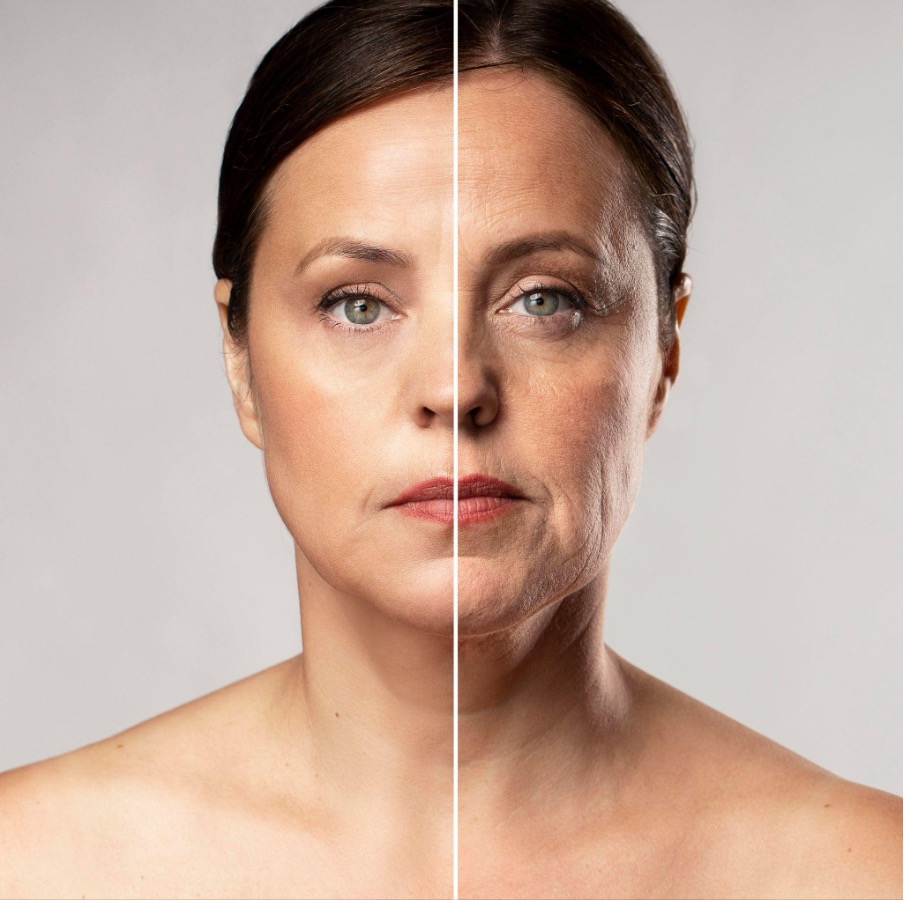
The skin contains many different cells, responsible for replacing old and damaged cells. There are melanocytic stem cells, dermal stem cells and adipocytic cells. This innate regenerative capacity diminishes over time and is known as intrinsic aging. Cell renewal continues to slowly regress until it ceases. Keratinocytes and fibroblasts accumulate over time and this increase causes the hardening of tissues, wrinkling, and an overall increase in the rate of aging.
Skin aging is also observed in another way: extrinsic aging. Extrinsic aging is the premature aging of the skin that develops due to various time-independent factors. Aging can occur due to environmental factors such as climatic conditions, air pollution, the sun’s rays, or inadvertent use of damaging products in contact with the skin. Exposure to UV rays causes free radical formation and damages the collagen tissue and elastin network. Thus, cell renewal decreases and hyperpigmentation, dryness and wrinkles occur.
The collagen and elastin stores begin to get depleted and production drops, causing skin elasticity to drop, fine lines to form, wrinkles, hyperpigmentation and dry skin. There is skin thinning due to the decrease in cell renewal.
Canada’s evolving role in regenerative dermatology
Canada occupies a prominent place in this global trend. With its strong academic research ecosystem, cautious but enabling regulatory environment, and growing clinical adoption, Canada has become both a testing ground and a translational bridge for regenerative technologies.
Universities like McGill and McMaster and pharma companies like AMGEN have helped move regenerative science from bench to clinic by emphasizing manufacturing quality, clinical-grade production, and real-world application. In dermatology, this has translated into growing collaboration between researchers, clinicians, and industry partners working to validate therapies beyond proof-of-concept. Canadian dermatology clinics are increasingly incorporating PRP protocols aligned with evidence-based standards, while academic centres contribute to early-stage research on MSC-derived products and other stem cell technologies.
A quiet revolution
Beauty might be only skin deep, but it is the first thing people see. Widespread adoption of stem cells for treating skin diseases and enhancing people’s cosmetic appearance later in life will spur further development. More investments into stem cell research will make them useful not only in beauty treatments, but also to cure critical diseases afflicting people around the world.


Peace Chukwu
Latest posts by Peace Chukwu (see all)
- Regenerating skin: The expanding role of stem cells in medicine and aesthetics - March 25, 2026
- New turn for stem cell therapy: How tiny messengers are about to change the game - June 18, 2025
- Menstrual stem cell implication in endometriosis - February 6, 2025



Comments